The Shining (1980)
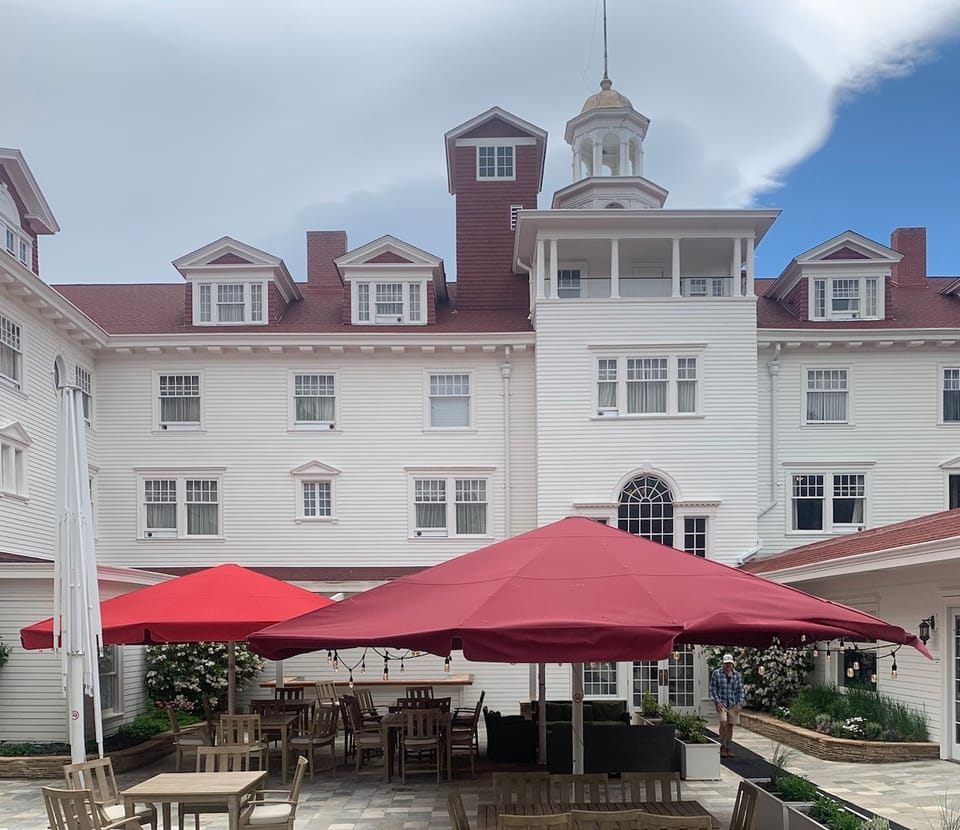
In this post, I will briefly reflect on The Shining (1980). This was a movie I watched a few years ago but has been on my mind since then. I have not re-watched the movie. My intention is to summarize some of the thoughts I had while I was sitting in front of the TV. Below, I first discuss problematic elements. Finally, I talk about my position on personal boundaries and media consumption. This is not intended to be an exhaustive post.
Problematic elements
- Native American symbolism and cultural appropriation: Early on, the movie mentions that the hotel was built on a Native American burial ground, accompanied by extensive Native American symbolism throughout. This use of Indigenous culture as a horror device—likely a provocation—raises questions about cultural appropriation in this movie and classic cinema as a whole.
- Violence as entertainment: Instances of domestic violence were normalized throughout the film. The movie conflated classic definitions of horror (ghosts, supernatural elements) with other forms of horror present in people's daily lives—domestic violence, intergenerational trauma, and gender violence. I wondered at different times whether that was the horror they were effectively trying to present.
- Class and labor dynamics: The film presents concerning dynamics around who must stay in the hotel for winter versus who can leave. Why would an entire family be required to remain in isolation? These class and labor considerations seemed to underscore broader societal inequalities.
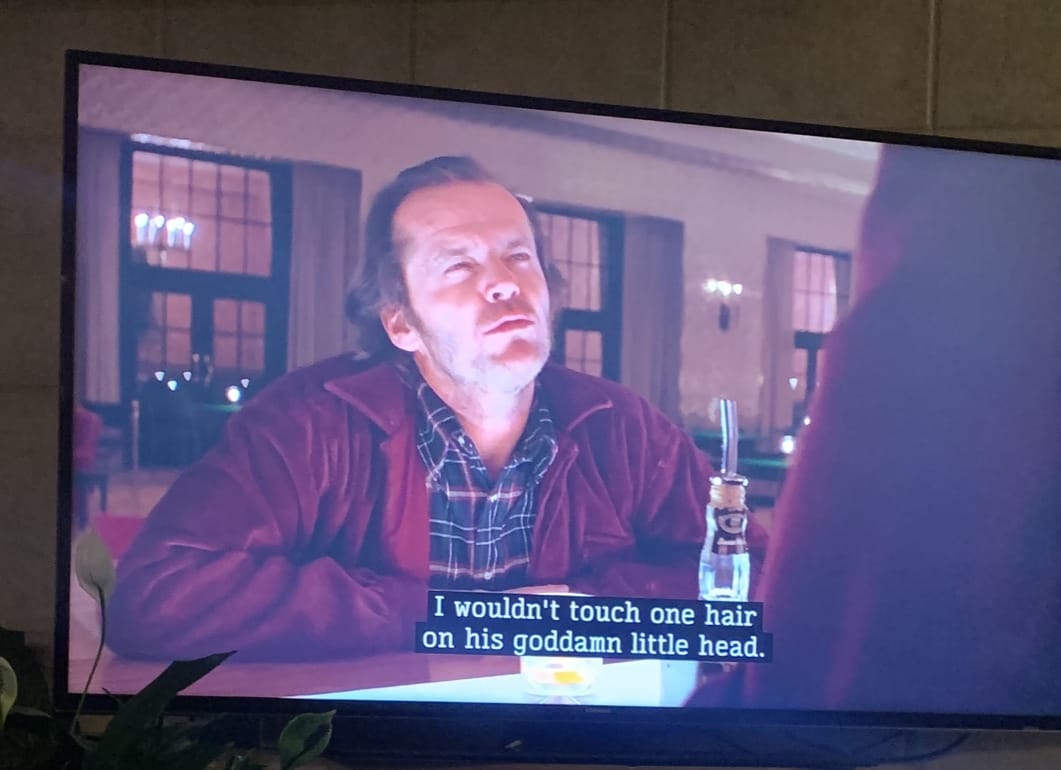
- Racial elements: The only Black character was called the N-word towards the end of the movie. At that point, I had to remove myself from the viewing – that was for me the last straw that broke the camel's back. Yet, there was a temporal and social context of this situation. The character who used the racial slur was positioned as the antagonist—someone we were meant to root against. He was already established as morally bankrupt, making the slur feel like "just one thing more" rather than adding meaningful narrative value. The slur was directed at a Black man portrayed as "good"—the character attempting to rescue the family. This creates an interesting dynamic: if the "bad" character uses racist language against the "good" character, does this automatically make the movie anti-racist, or does it simply perpetuate harmful language regardless of context?
Personal boundaries and media consumption
I dislike violence and do not intend to suggest that others endorse particular perspectives by watching. The question remains: where do we draw our personal boundaries with media consumption, and how do we navigate spaces where our comfort levels differ from others? The movie had already taken more than an hour of my life and taught me not a lot of positive things.
- The question of tolerance: Could I have remained seated after an hour of violence passed off as entertainment? I could have dissociated and endured the remaining twenty minutes of the movie. However, I don't believe anyone is forced to remain in spaces where they feel uncomfortable.
- Language and cultural context: As someone whose first language isn't English, the direct translation of that slur into Spanish would be "cocinero negro"—a phrase used daily in my home country without the same historical weight. However, the offense wasn't about translation but about context: who said it, who was targeted, the temporality of the movie, and how it added to an already heavy load of problematic content. Similarly, the N-word simply does not directly translate into Spanish. To my knowledge, there's no equivalent.